Temporary striping for active roadway work
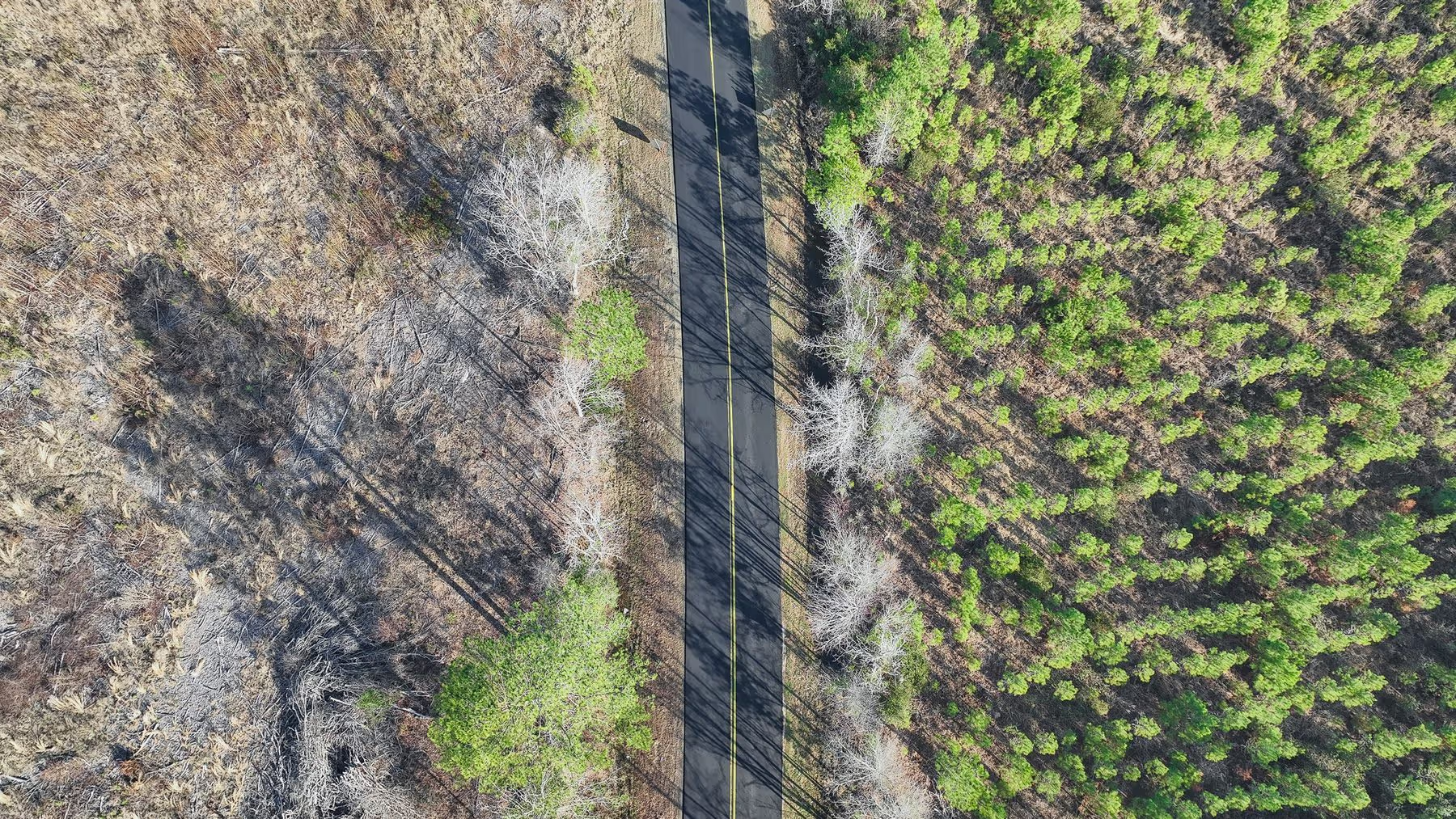
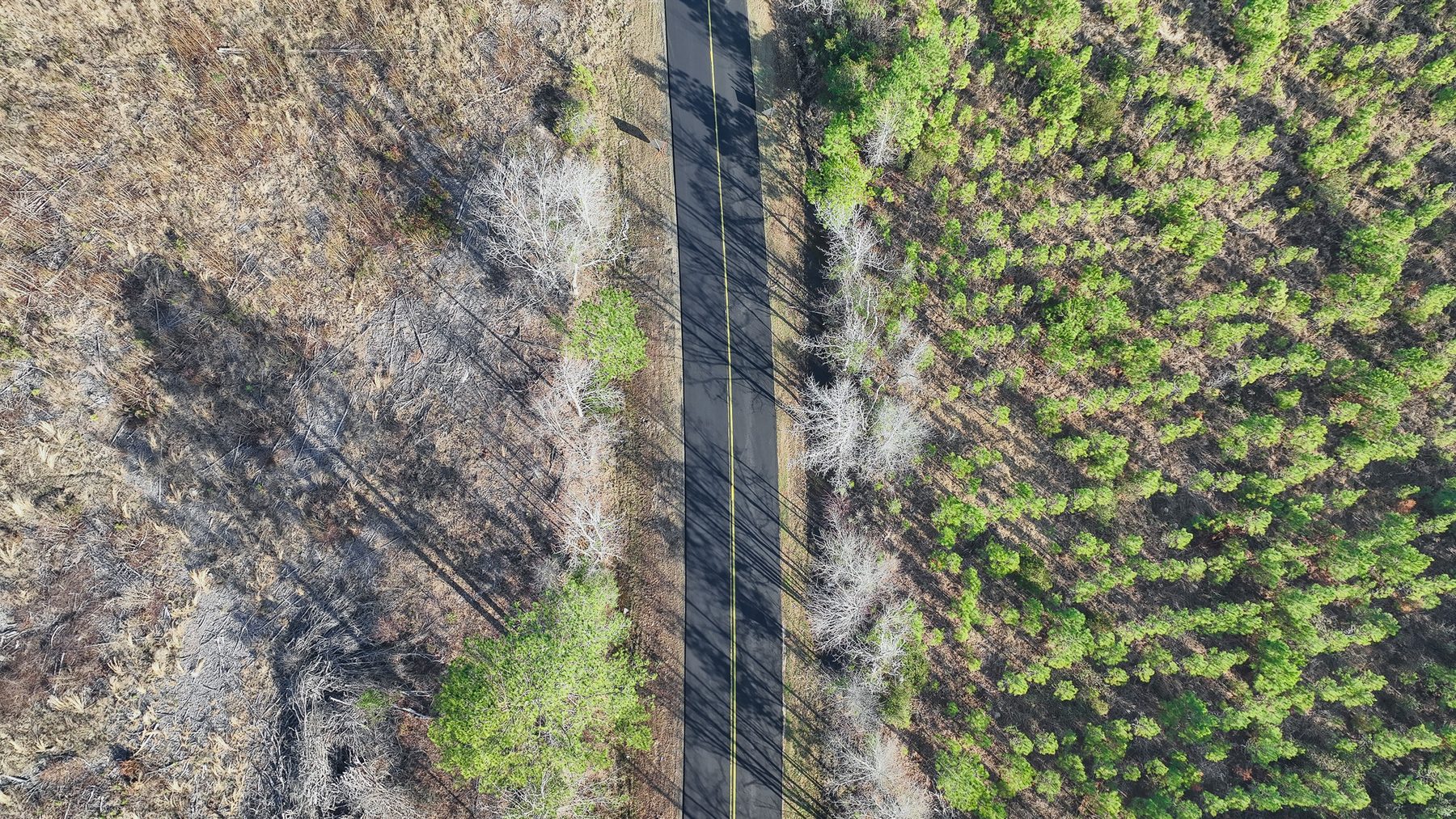
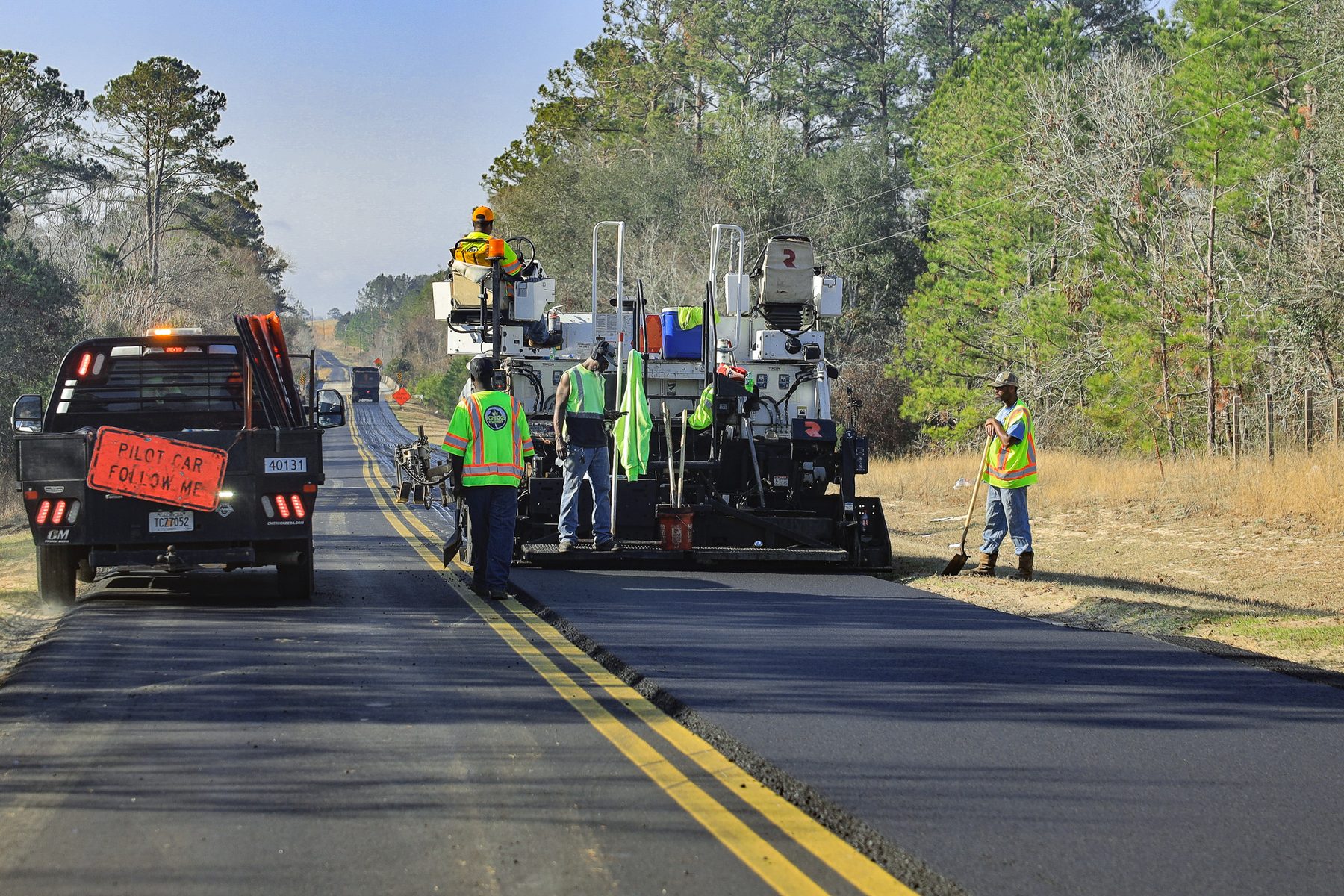
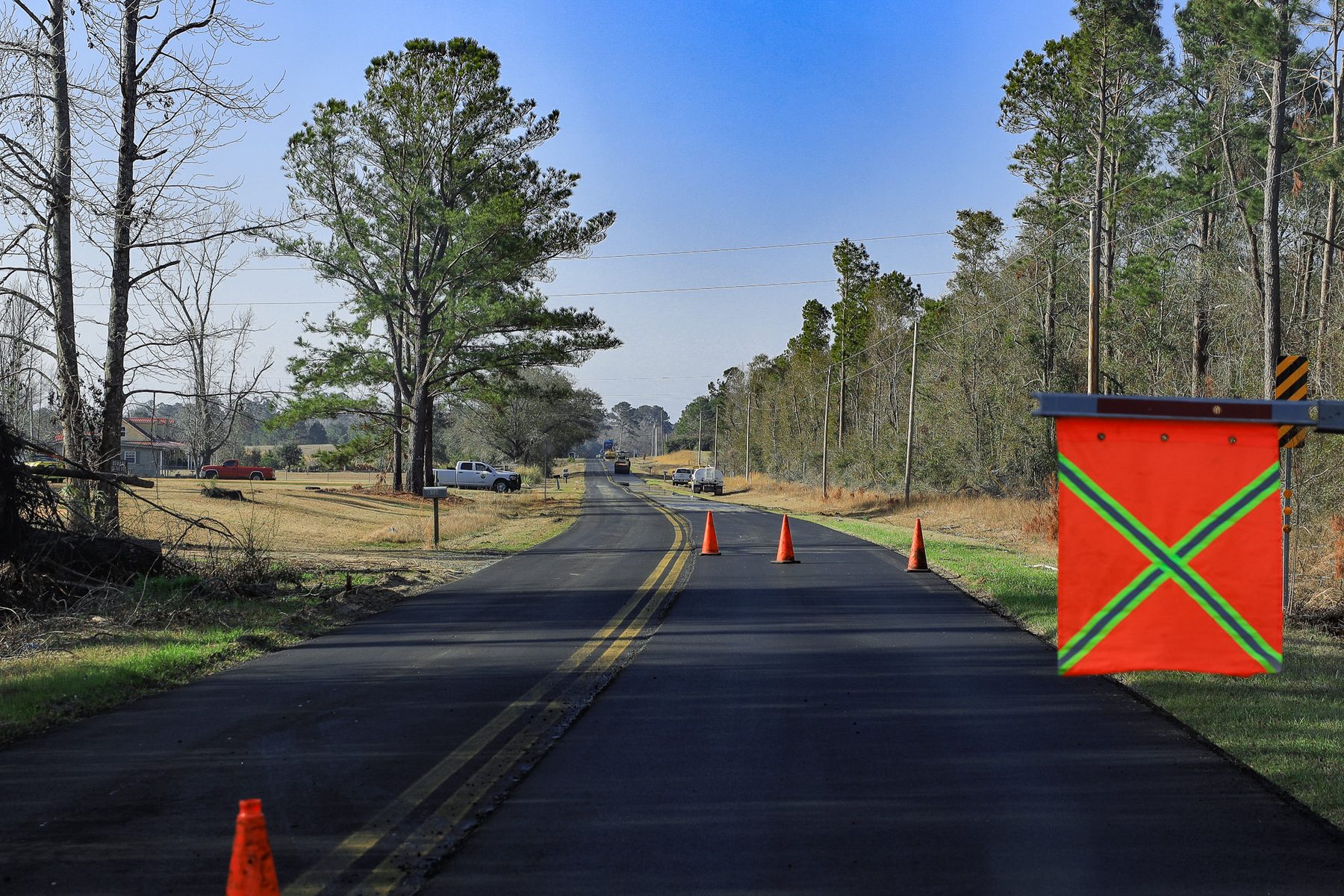
Moses Grass Company worked on Griffin Ferry Road as part of an active roadway improvement effort, and the photos from this day showed a piece of the job that often got overlooked: temporary striping. Even though it was not the final set of lane lines, it still served a real purpose while the road surface and traffic patterns changed. The goal was simple and practicalG��keep drivers moving through the work zone in an orderly way and give our crews and our partners a safer place to work while the project progressed.
Temporary pavement markings mattered because construction rarely happened all at once. Crews shifted lanes, tied in new asphalt, and staged equipment in a way that kept at least some traffic flowing. Temporary striping helped define where vehicles needed to be, especially at night or in bad weather when the edge of pavement and fresh asphalt joints could be hard to see. On GDOT work, these markings had to be placed in a way that supported the traffic control plan and worked with signs, channelizing devices, and any pilot car operations in place. In other words, the striping was one part of a bigger safety system, not a standalone task. Our field focus that day was to place clear, consistent lines that matched the current traffic pattern, reduced sudden lane wandering, and supported predictable movements through the work zone.
Because the striping was temporary, it was planned with the next construction steps in mind. The markings were intended to last through the current phase and then be replaced when the driving surface reached its final condition. That approach kept the job moving without forcing permanent decisions too early. It also reduced rework, since permanent striping placed before final lift asphalt or final surface adjustments could end up in the wrong spot or get covered. Temporary lines helped bridge that gap: they provided day-to-day guidance while crews continued building the road the right way.
This phase tied directly to the paving work being handled by Scruggs. Fresh blacktop changed the roadwayG��s look and, in some areas, the usable width, so timing mattered. We placed temporary striping to support the traffic pattern that existed at the time, knowing we would return for permanent markings once the paving crews wrapped up and the final surface was in place. Permanent striping typically required a cleaner, fully finished roadway and a stable layout that would not shift again. Waiting until the paving operations were complete helped ensure the final lines landed where they were designed to be and stayed visible and durable for the long haul. It also allowed everyone on the projectG��paving, grading, shoulder work, and traffic controlG��to work from the same sequence and avoid conflicts that slowed down production or created unnecessary exposure for workers in the travel lanes.
Safety stayed at the center of the operation. Temporary striping only worked if it matched the traffic control devices and if drivers had enough time and distance to process the changes. That meant paying attention to transitions, tapers, and the way traffic flowed past equipment and personnel. The combination of markings, devices, and pilot cars helped reduce speed differentials and discouraged last-second merges that put people at risk. From a practical standpoint, it also reduced confusion and improved throughputG��when the road GǣreadGǥ clearly, traffic moved more smoothly and backups were less severe. By the end of the shift, the work zone had clearer guidance for the current phase, and the project was set up for the next steps. Moses Grass Company completed the temporary striping on Griffin Ferry Road and planned to return for permanent striping after Scruggs finished the final paving work.