Striping and signage for LMIG widening
Striping and signage for LMIG widening
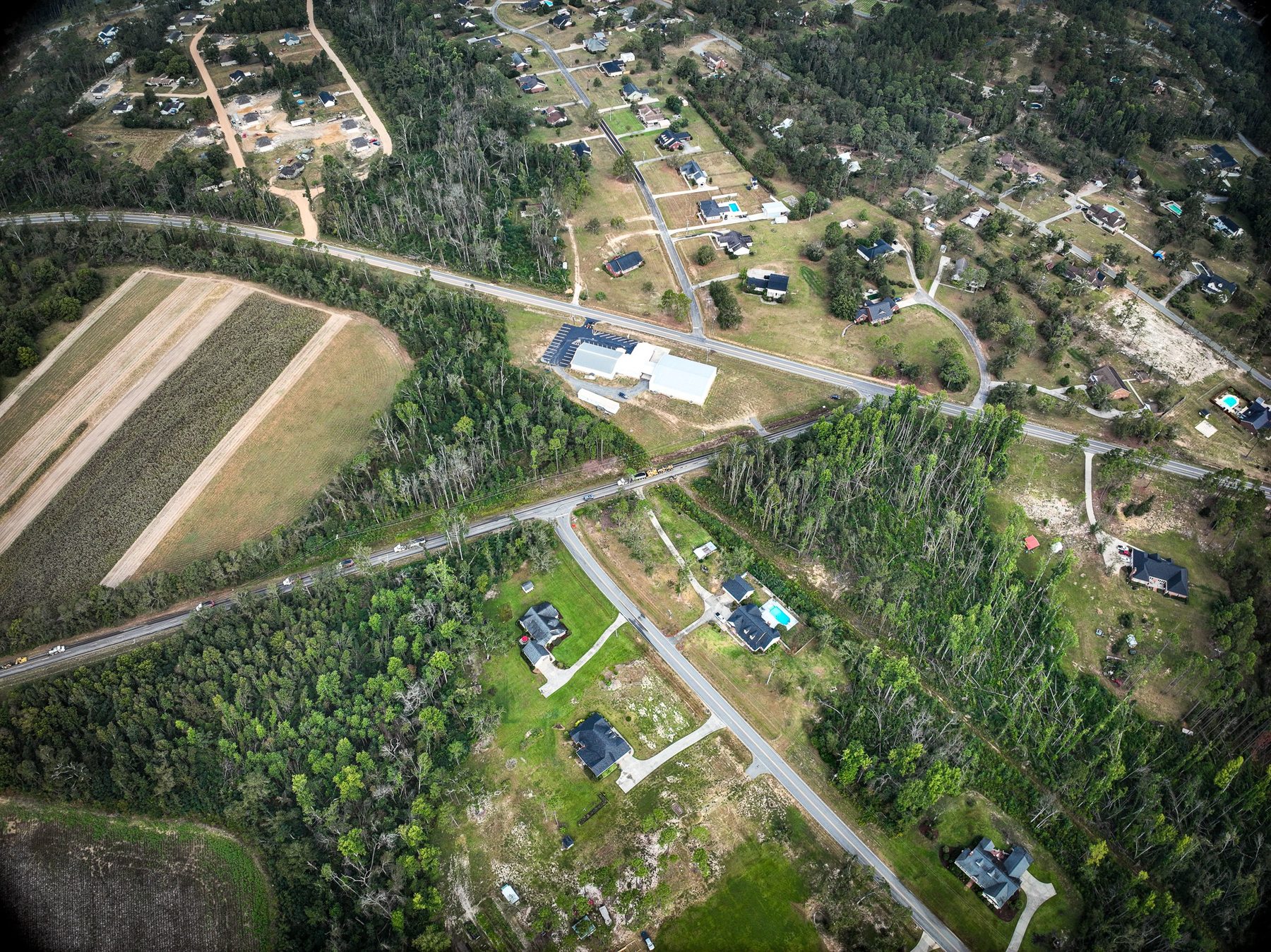
Vidalia – Cedar Crossing Rd was part of a Local Maintenance and Improvement Grant (LMIG) widening effort in Vidalia, Georgia. The City of Vidalia partnered with Moses Grass Company to support the roadway work with signage, striping, and thermoplastic pavement markings. The goal of our scope was straightforward: help drivers read the road clearly as the corridor changed, and then leave behind durable markings once the surface work was ready.
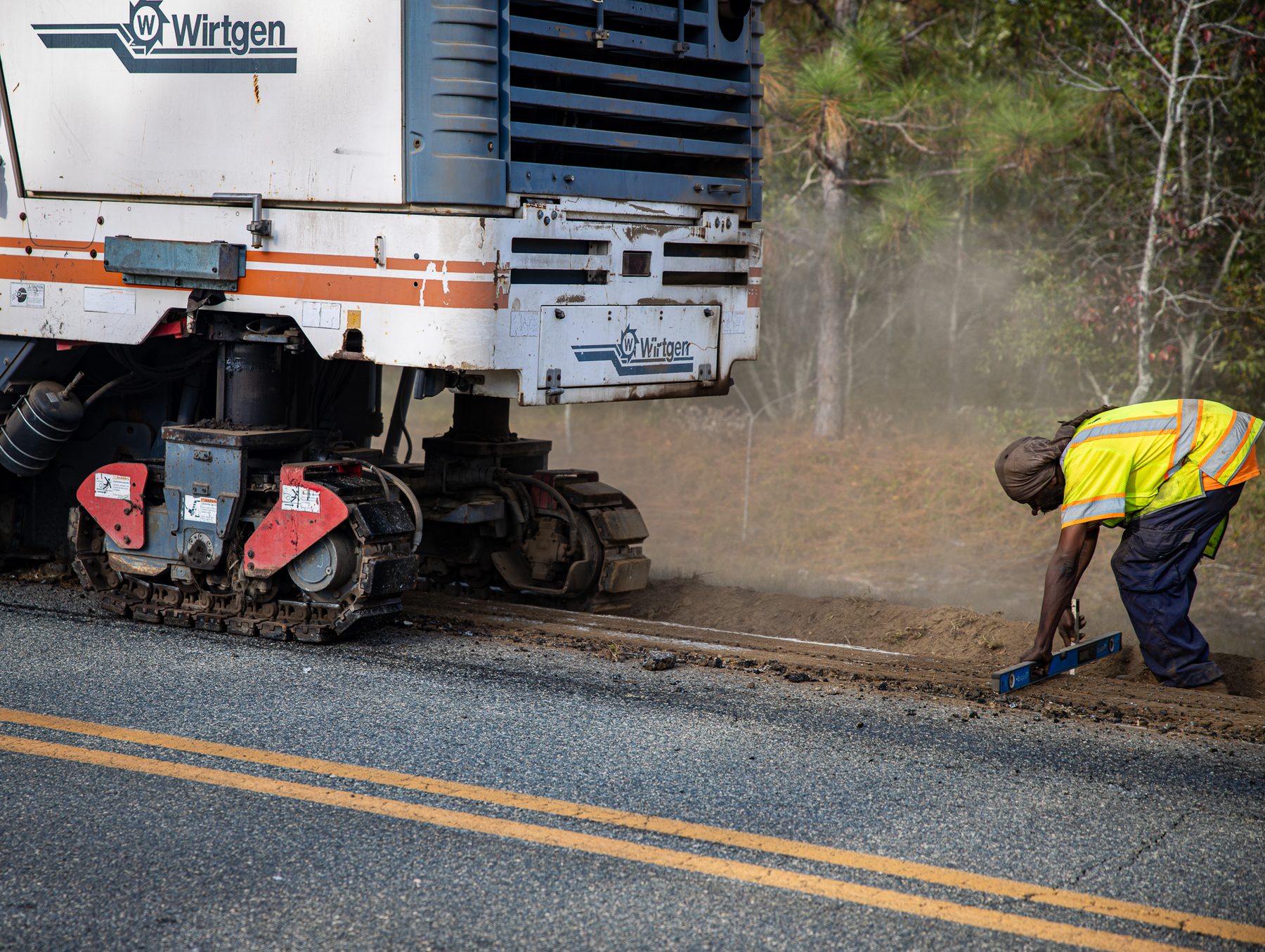
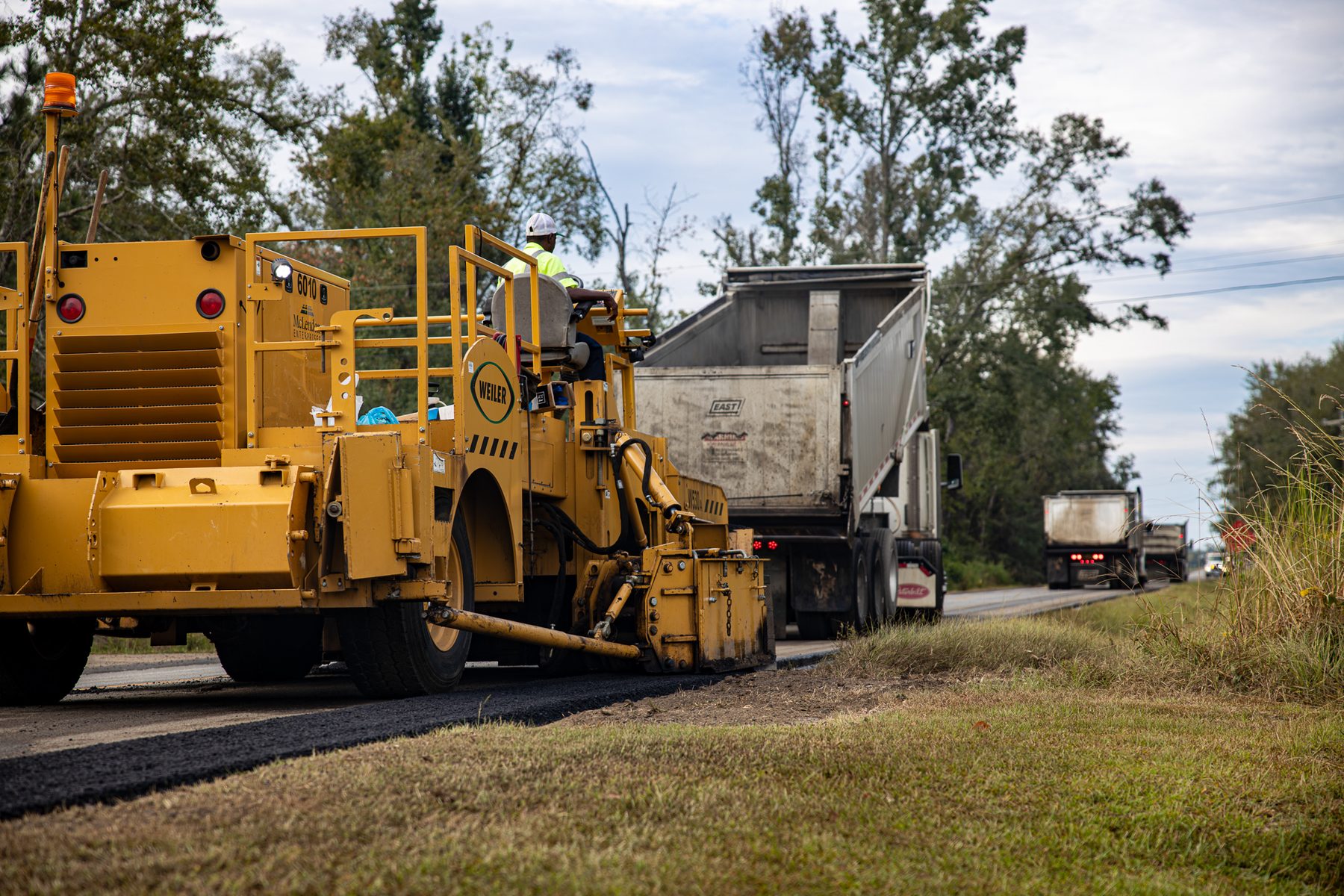
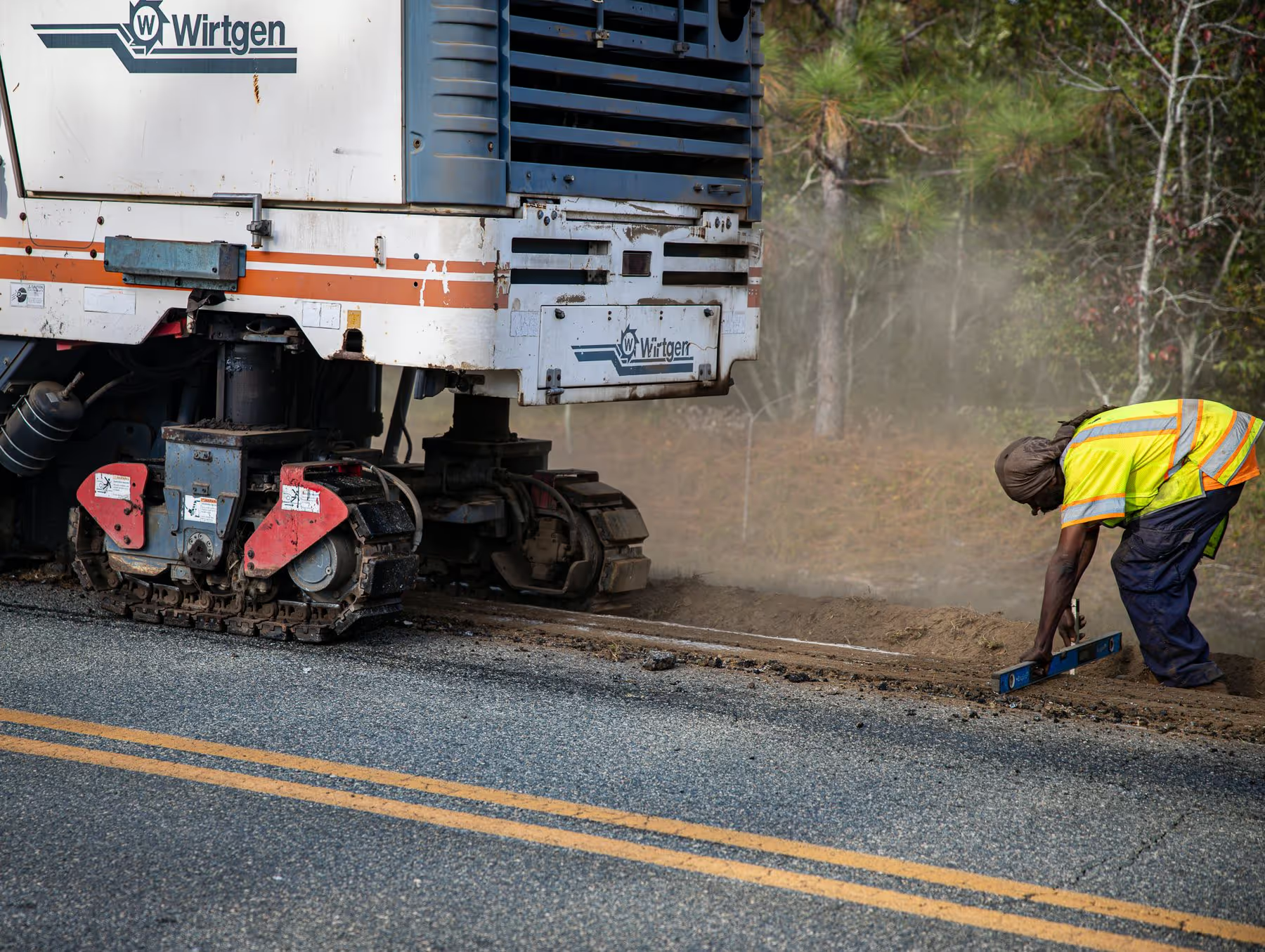
This section of roadway reflected a common issue on narrow two-lane routes. Vehicles and trucks tended to drift toward the shoulder to give oncoming traffic more space. Over time, that repeated loading at the edge of pavement typically weakened the outside edge first and then pushed deterioration inward. The widening work addressed those stressed edges by repairing damaged areas and extending the paved edge so the roadway held up better under everyday traffic.
Our work followed the pace of the widening and paving operations. Signage was handled early to support work-zone conditions and to provide consistent guidance as the corridor shifted through active construction. Striping was timed to match the point when the new edges and surface sections were complete enough to accept markings. That sequencing mattered because pavement markings only performed well when they were applied to a prepared surface, and lane guidance had to remain clear while traffic continued to use the road.
We focused on clear lane definition and long-term visibility. Temporary guidance helped bridge the gap between phases, and final markings were completed once the corridor was ready for permanent layout.
On a widening project, the roadway could change in small increments: a new paved edge, a corrected shoulder line, and then the final lane layout once the corridor settled into its finished shape. Signage supported that progression by keeping instructions and warnings visible while crews worked and traffic moved through. Striping provided immediate, readable lane and edge definition as soon as the surface allowed it. Thermoplastic markings finished the job with a thicker, longer-lasting material that held up under traffic and weather, helping drivers see lane lines and markings more consistently over time.
By the time the corridor reached its later phases, the work transitioned from temporary guidance to the final, permanent layout. The completed markings provided clearer lane structure and more reliable nighttime and wet-weather visibility than a surface without durable striping. The project reflected a steady, step-by-step approach: address the pavement edge conditions through widening, keep guidance in place as the road changed, and then complete permanent striping and thermoplastic markings once the surface was ready.