Striping and hydroseeding for TIA-LMIG
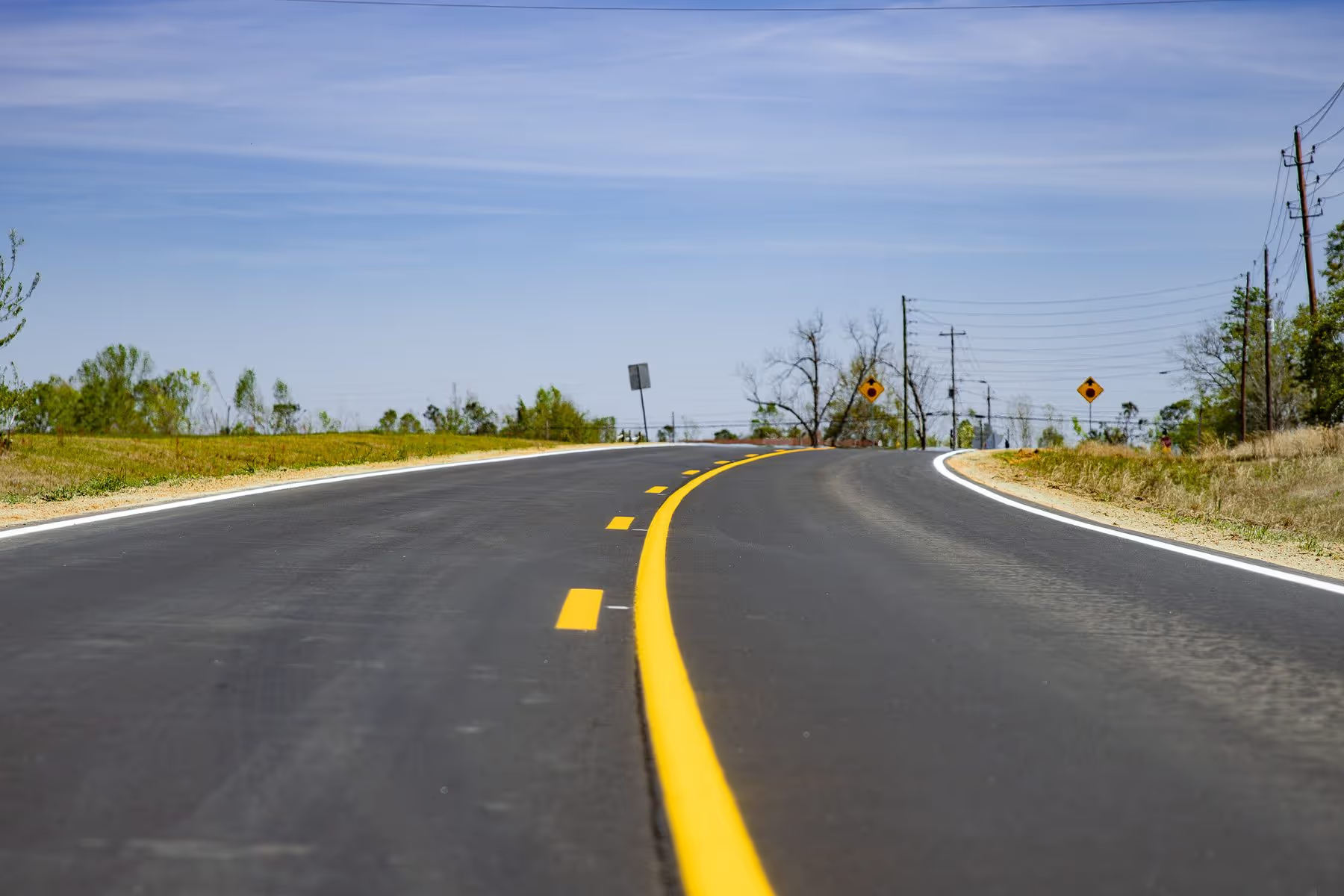
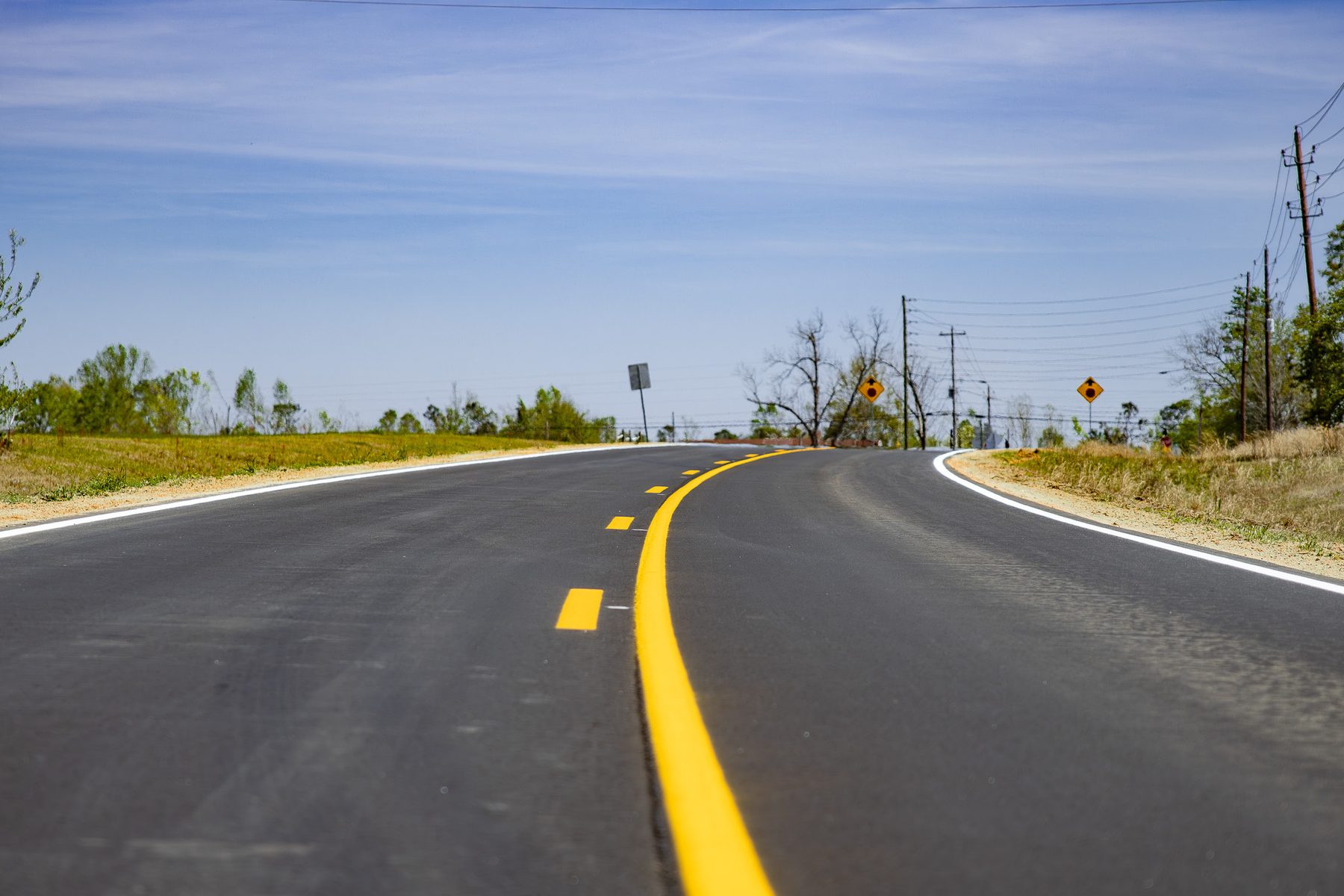
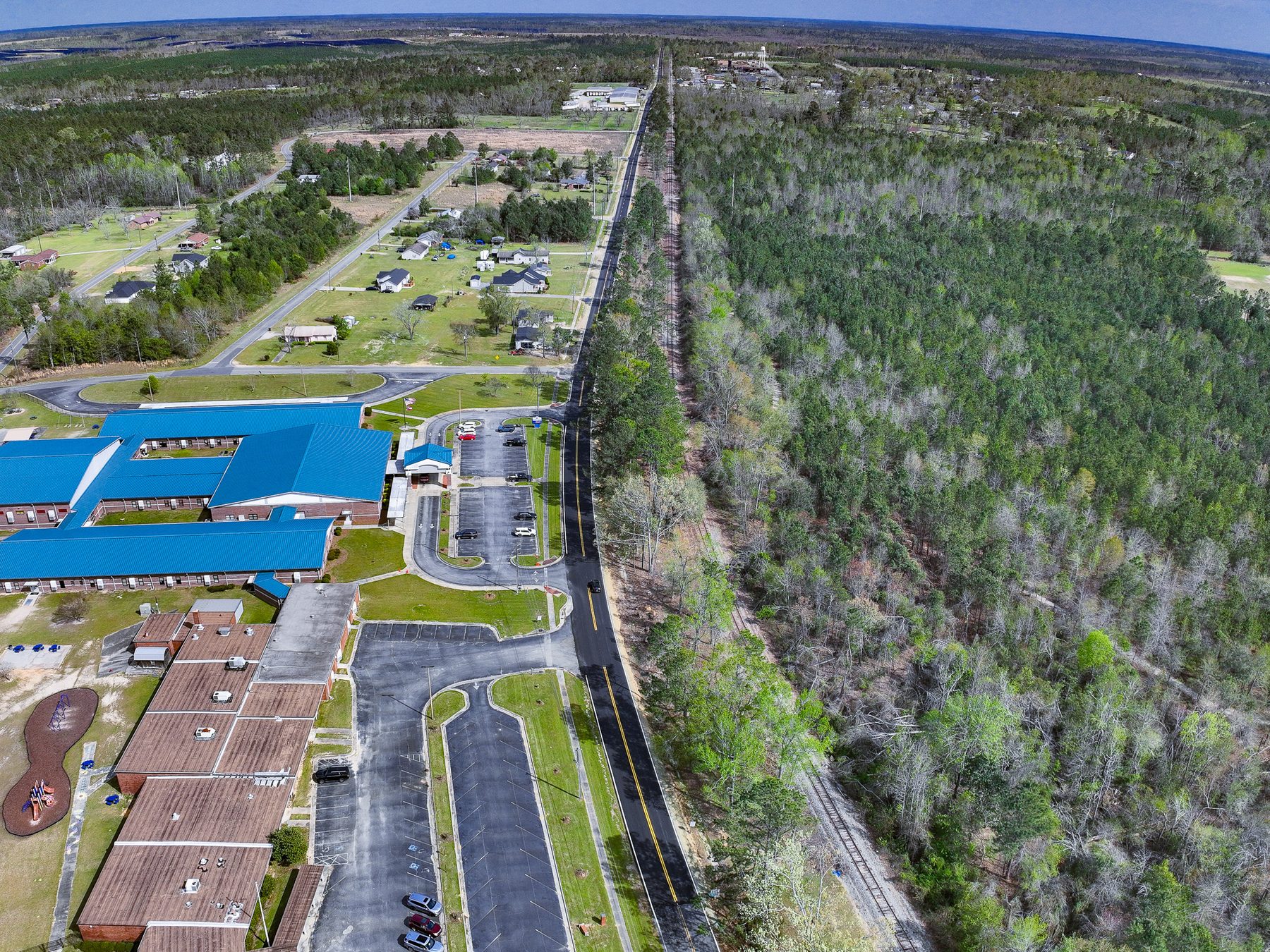
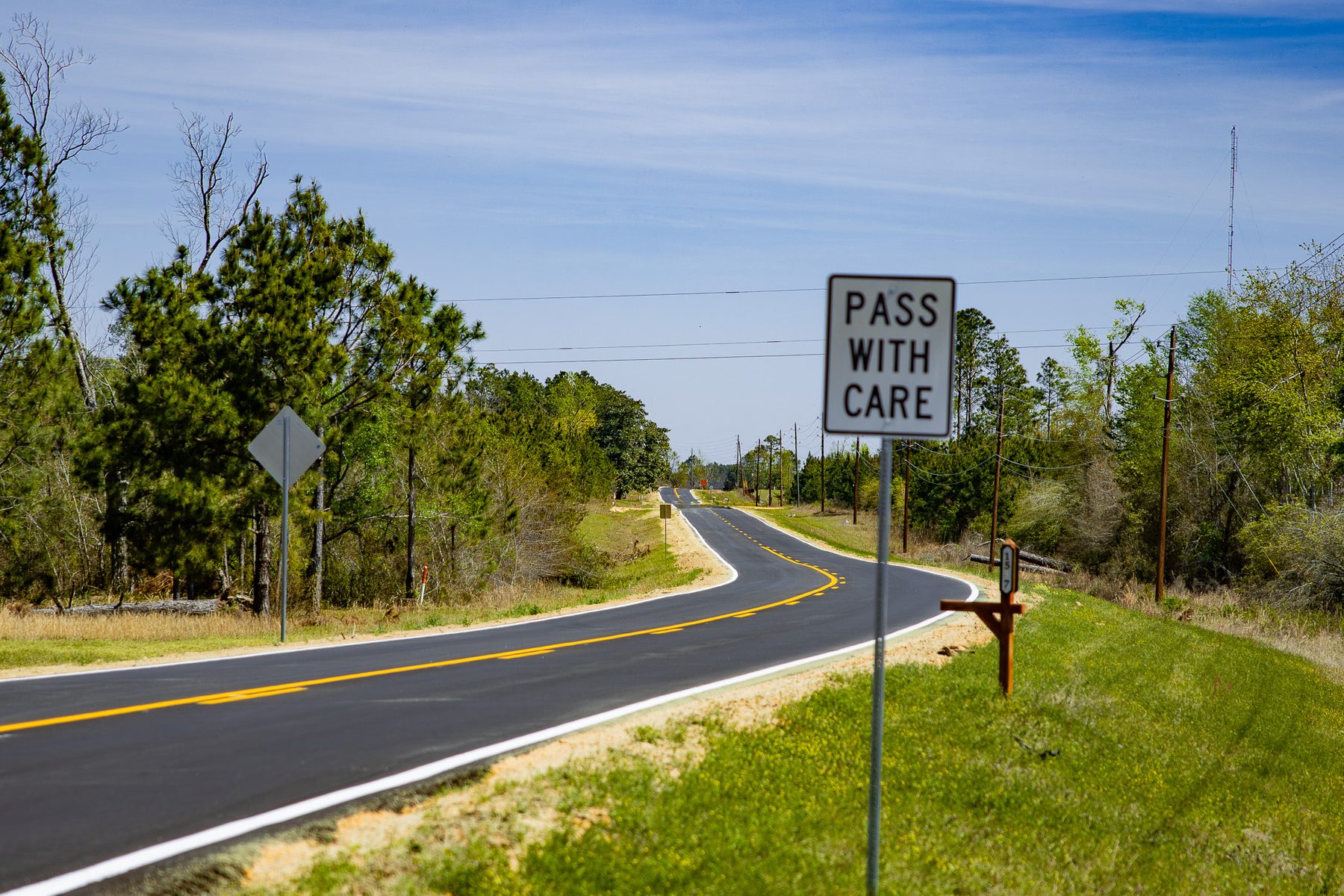
Saw Mill Rd in Mount Vernon, Georgia received finishing work after repaving and shoulder improvements were already in place. Moses Grass Company partnered with McLendon to complete striping and hydroseeding under a TIA-LMIG effort. The scope stayed straightforward and field-focused: restore clear roadway markings and stabilize disturbed shoulder areas so the improved road read as complete and functioned the way it was intended once the heavy work ended.
Striping was installed to bring back the pavement markings that drivers relied on every day. After paving work, fresh asphalt often looked uniform from edge to edge, and the road could feel unfinished until markings went down. The striping phase put clear guidance back in place so the travel path was organized and predictable through curves and along straight runs. It also helped the roadway transition from "work zone" appearance to "open road" appearance by giving the surface the lines and visual structure people expected.
Hydroseeding was applied on shoulder areas where ground had been disturbed during the improvements. That step supported basic soil stabilization on the roadside by encouraging vegetation to establish, instead of leaving bare earth at the edge of the new pavement. The work tied the improved roadway back into the surrounding right-of-way in a clean, practical way. Hydroseeding served as the last visible piece on the roadside, helping the project look finished while supporting stewardship where the shoulder work had changed the ground surface.
The work followed behind the paving and shoulder work and stayed focused on the final details that closed the job out. Coordination with McLendon kept the sequence moving so the striping and hydroseeding matched the pace of the roadway improvements and the condition of the site.
This work was completed as part of a TIA-LMIG effort referenced on the project. The Transportation Investment Act (TIA) provided funding for regional transportation improvements, with stated goals that included strengthening local infrastructure, improving regional connectivity, and supporting economic growth. The Local Maintenance & Improvement Grant (LMIG) was a Georgia Department of Transportation program that helped cities and counties with road maintenance, paving, and safety enhancements. Together, those programs supported practical roadway upgrades, and this scope fit into that larger purpose by restoring safety guidance on the pavement and stabilizing the shoulders after construction disturbance.
Saw Mill Rd moved forward through steady coordination between crews so the finishing work landed at the right time and matched the conditions left by the earlier phases. Striping required a clean, ready surface, and hydroseeding relied on reaching disturbed shoulder areas while they were still accessible and before they were left exposed. The result was a completed roadway surface with clear markings and roadside areas that were treated to reestablish cover after shoulder work. Credit went to the field crews and to the partnership with McLendon for keeping the work safe, organized, and consistent through the final steps.