Silt fence for industrial park expansion
Subheading: Silt fence for industrial park expansion
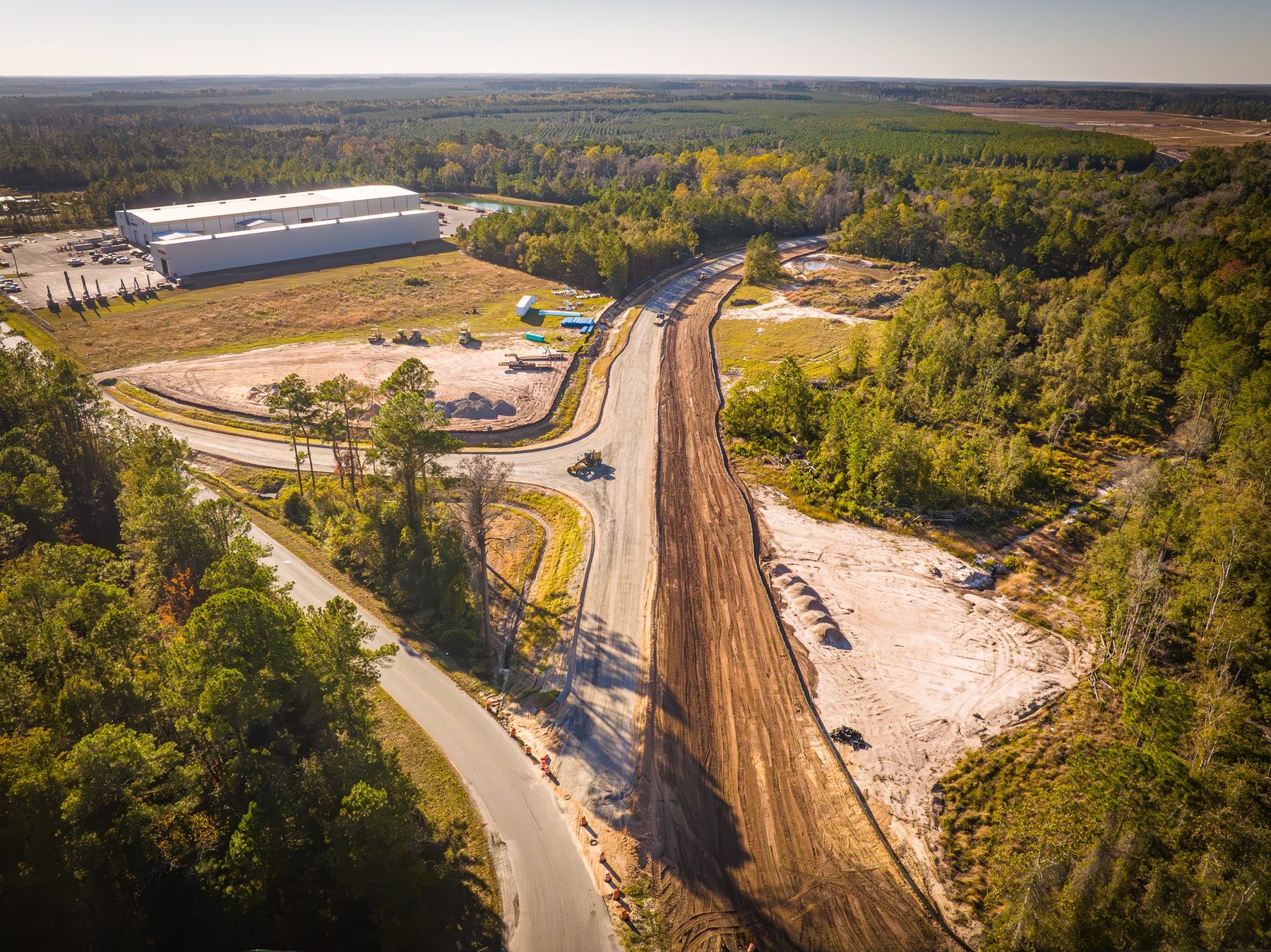
Industrial Addition - Jesup took place in Jesup, GA as Wayne County moved forward with an industrial park expansion. Moses Grass Company provided silt fence services to help keep sediment controlled while earthwork and utility construction progressed. The work stayed focused on practical erosion control that could be installed, tied in, and maintained as the site changed day to day.
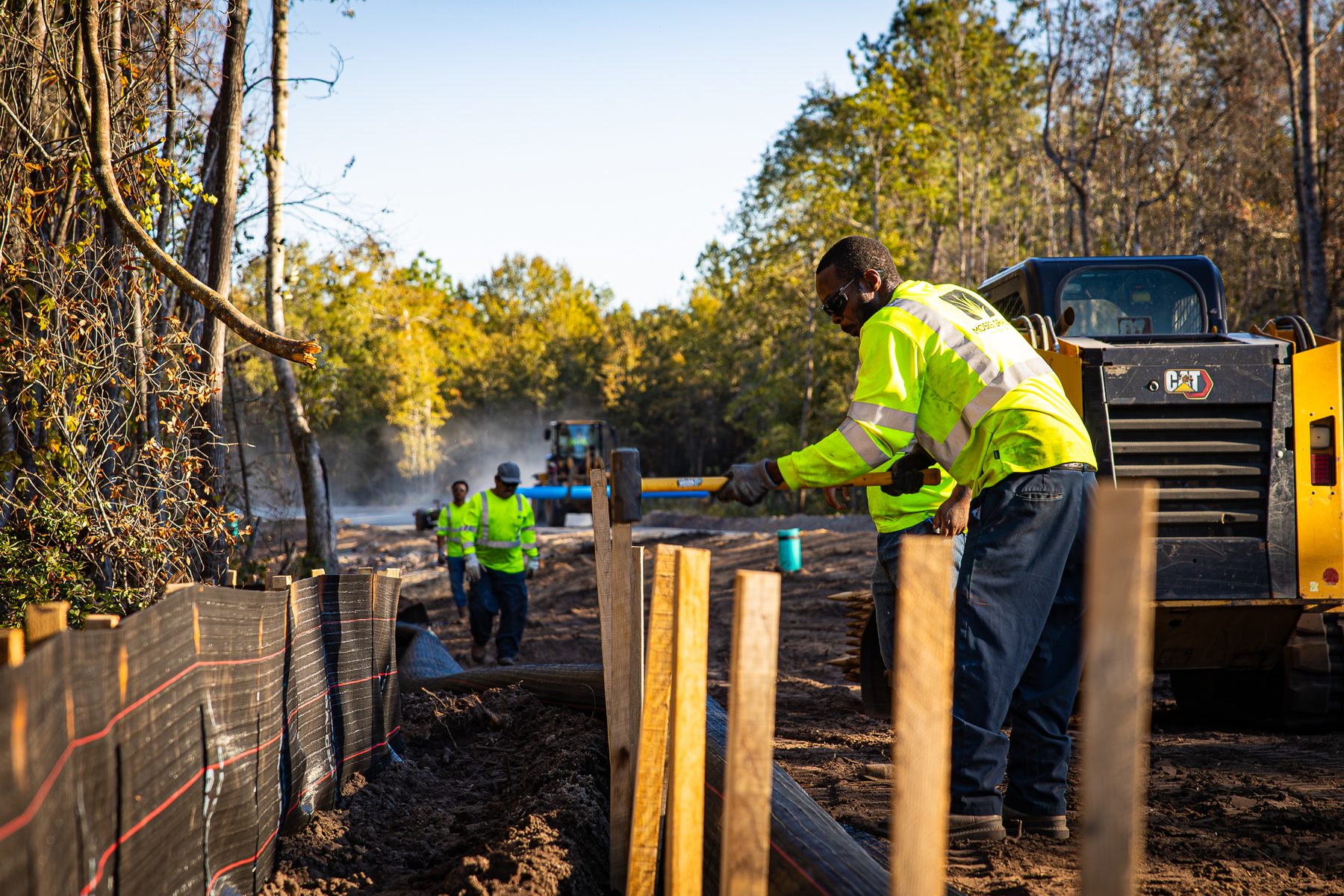
The silt fence installation supported an active construction environment where new water and sewer infrastructure was being built for the next phase of the site. Our work coordinated alongside crews from McLendon so erosion control could keep pace with grading and trench work without getting in the way of production. That meant keeping the alignment clear, working in manageable runs, and finishing each section so it could handle traffic, rain, and normal jobsite wear.
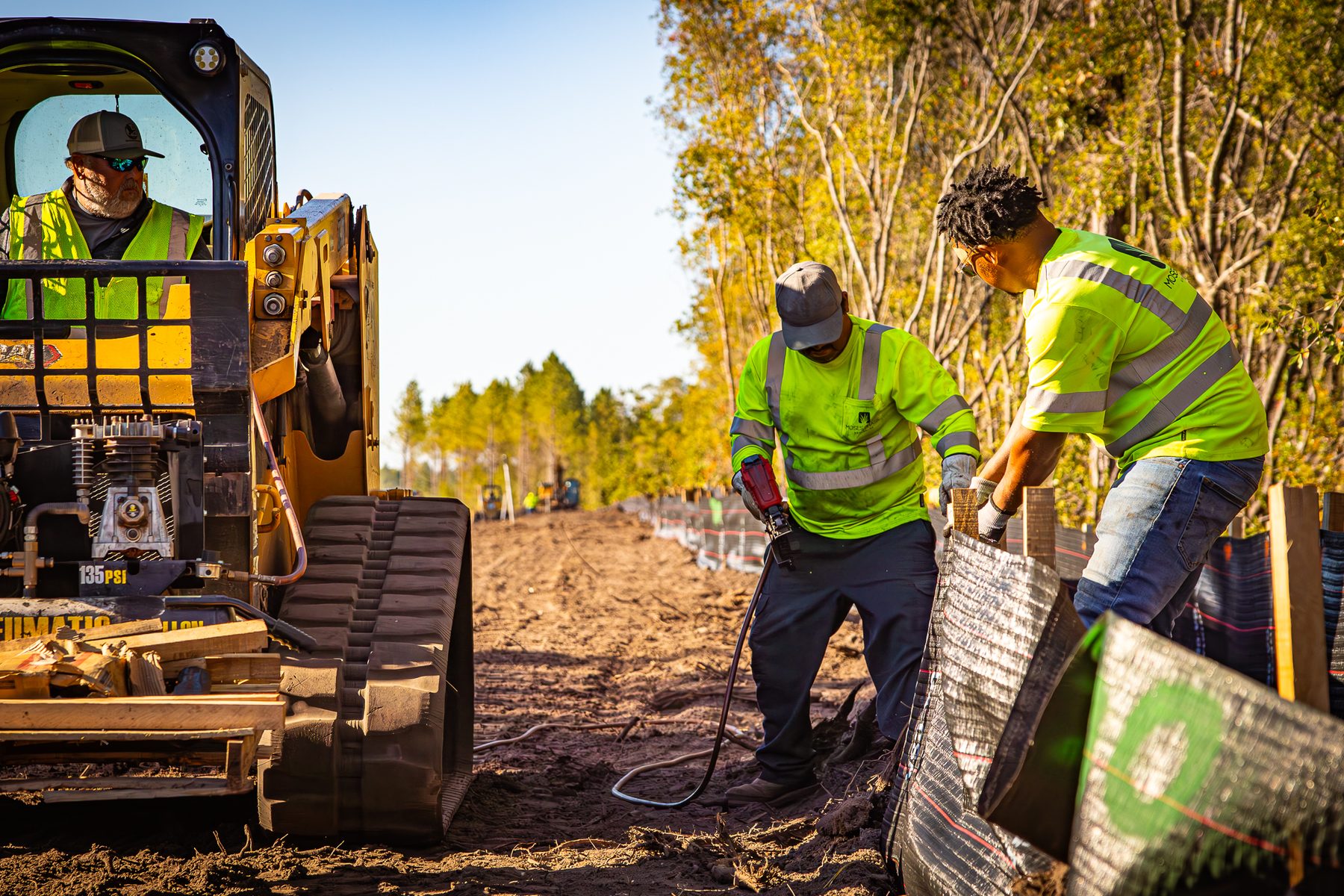
The project matched well with a skid steer mounted silt fence plow. Using the plow helped keep the install consistent and efficient across longer stretches, especially where the ground conditions allowed steady progress. Instead of overcomplicating the process, the crew staged material where it could be reached easily, set the plow depth, and worked along the planned line in sections that could be completed and secured before moving on.
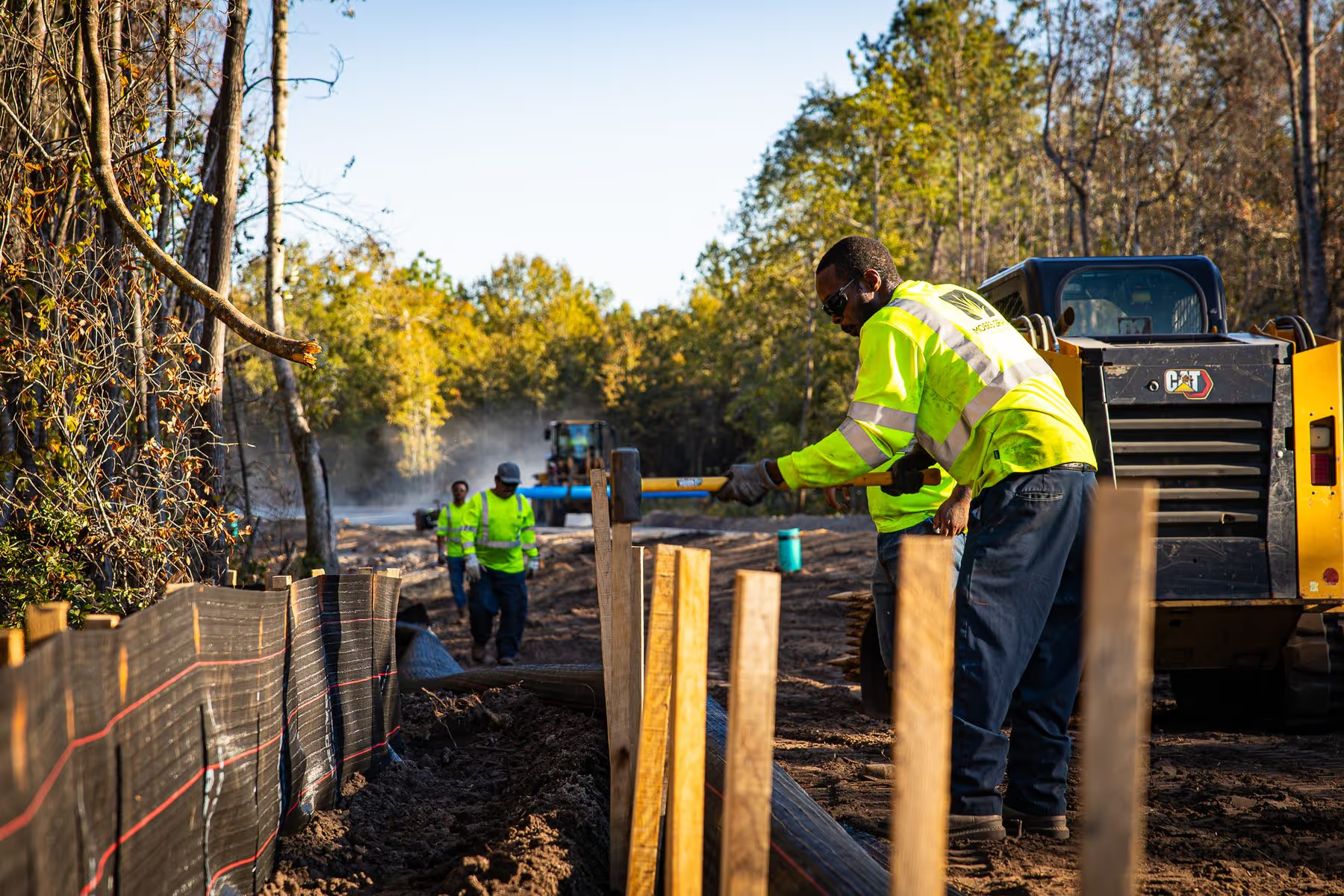
Even with equipment doing the trench-in work, the fence still depended on hands-on finishing. The crew paid attention to the basics that made silt fence function in the real world: solid contact at the ground, straight runs that stayed upright, and fastening that held through wind and routine site activity. Those details mattered because a fence that sagged, lifted, or pulled loose would not hold sediment when runoff started moving.
With the trench-in method and the follow-up staking and fastening done correctly, the finished fence was built to stay in place and keep working as conditions changed. That gave the project a dependable perimeter control measure during active grading and utility installation. The intent stayed straightforward: keep sediment on the jobsite where it could be managed instead of letting it move outward with runoff.
Although the scope centered on silt fence, the impact tied directly to the larger infrastructure work underway. By staying coordinated with the construction sequence, the erosion control work supported steady progress while maintaining protection for nearby land and waterways. The end result reflected the kind of job Moses Grass Company aimed to deliver across Georgia: clear steps, steady execution, and practical stewardship that held up under real field conditions.